
Last Updated: July 23, 2026
Reading Time: 11 minutes
Post Views: 265
- Quick Answer: Average Website Development Cost
- How Much Does It Cost to Build a Website?
- What Can You Build With Different Budgets?
- One-Time vs. Ongoing Website Costs
- What Affects the Cost to Build a Website?
- Complete Website Cost Breakdown
- How Much Does Website Development Cost?
- How Does Your Website Platform Affect the Total Cost?
- Ecommerce Features and Integration Costs
- Content Creation Costs
- SEO and Digital Marketing Costs
- How Much Does Website Maintenance Cost After Launch?
- What Hidden Website Costs Should You Budget For?
- Average Website Cost by Website Type
- How to Create a Realistic Website Project Budget?
- How to Reduce Website Costs Without Sacrificing Quality?
- Should You Build a Website Yourself or Hire Professionals?
- Final Thoughts
- FAQs
If you’ve started researching website costs, you’ve probably found estimates ranging from a few hundred dollars to well over $100,000. With such a wide range, it can be difficult to know what’s realistic for your business—or why website prices vary so much.
The truth is, there isn’t a single price that fits every project. The cost of creating a website depends on factors such as the type of website, its functionality, design requirements, development complexity, platform, integrations, and ongoing maintenance.
In general, the cost to build a website typically ranges from $1,000 for a basic business website to more than $100,000 for a complex custom platform. Your final cost depends on the website’s size, functionality, platform, integrations, level of customization, and ongoing maintenance requirements.
This guide breaks down every major expense involved in building a website—from planning and development to hosting, maintenance, and long-term ownership—so you can create a realistic website project budget and avoid unexpected costs later.
Quick Answer: Average Website Development Cost
| Website Type | Typical Cost |
| Personal Website | $1,000–$3,000 |
| Small Business Website | $3,000–$10,000 |
| Corporate Website | $8,000–$25,000 |
| Ecommerce Website | $10,000–$50,000+ |
| Custom Platform | $50,000+ |
The total website cost depends on planning, design, development, hosting, integrations, SEO, and ongoing maintenance.
How Much Does It Cost to Build a Website?
The total website cost varies depending on the project’s size, goals, and technical requirements. A simple informational website has very different needs than an ecommerce store, membership platform, or custom web application.
Here’s a general pricing overview:
| Website Type | Estimated Cost |
| Personal Website | $1,000–$3,000 |
| Small Business Website | $3,000–$10,000 |
| Professional Corporate Website | $8,000–$25,000 |
| Ecommerce Website | $10,000–$50,000+ |
| Marketplace Platform | $40,000–$150,000+ |
| SaaS or Custom Web Application | $50,000–$250,000+ |
These ranges are intended to help with budgeting. Your actual website development cost will depend on the features you need, the development approach you choose, and whether you’re building from scratch or using an existing platform.
What Can You Build With Different Budgets?
While every project is unique, understanding what different budget ranges typically include can help you set realistic expectations. The examples below are general estimates and may vary depending on your business requirements, chosen platform, and development approach.
| Budget | What You Can Typically Build |
| Under $3,000 | A basic brochure website with a few pages, a contact form, a responsive design, and essential business information. Suitable for freelancers or small local businesses. |
| $3,000–$8,000 | A professional business website with custom layouts, blog functionality, lead generation forms, basic SEO setup, and CMS integration. |
| $8,000–$20,000 | A larger website with custom functionality, advanced integrations, conversion-focused pages, and stronger performance optimization. |
| $20,000–$50,000 | An ecommerce website or feature-rich business platform with custom workflows, payment processing, customer accounts, and third-party integrations. |
| $50,000+ | Large-scale custom applications, enterprise platforms, SaaS products, marketplaces, or websites with highly specialized functionality and scalability requirements. |
Keep in mind: The most expensive website isn’t always the right investment. Focus on building a website that supports your business goals, includes the functionality you need today, and can scale as your business grows.
One-Time vs. Ongoing Website Costs
One of the biggest misconceptions is that building a website is a one-time expense. In reality, most websites involve both upfront and recurring costs.
| One-Time Costs | Ongoing Costs |
| Website planning | Domain renewal |
| Design | Web hosting |
| Development | Website maintenance |
| Content creation | Security monitoring |
| Initial SEO setup | Content updates |
| Integrations setup | SEO improvements |
| Testing & launch | Software and plugin renewals |
Planning for both types of expenses helps prevent budget surprises after your website goes live.
What Affects the Cost to Build a Website?
Every website is unique, but most project costs are influenced by the same core factors.
1. Website Goals
A website designed to generate leads has very different requirements than an online store or customer portal.
Before estimating costs, define what your website should accomplish.
For example:
- Share company information
- Generate inquiries
- Sell products online
- Book appointments
- Offer online courses
- Manage memberships
- Integrate with business software
The more business objectives your website supports, the more planning and development it typically requires.
2. Website Size
The number of pages significantly impacts the overall website project budget.
A five-page brochure website requires much less work than a website with hundreds of product pages, service pages, blog articles, or multilingual content.
Website size also affects:
- Content creation
- Navigation structure
- Internal linking
- Quality assurance
- SEO implementation
- Ongoing maintenance
3. Custom Functionality
Adding advanced functionality often increases development costs more than visual design.
Examples include:
- Customer dashboards
- Appointment booking
- Online payments
- Membership systems
- Product configurators
- Custom calculators
- Learning management systems
- Inventory synchronization
- CRM integrations
Each feature requires planning, development, testing, and long-term maintenance.
4. Website Design
Design is one part of your overall website investment—not the entire project.
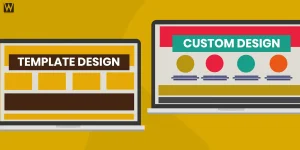
A professionally designed website helps build trust, improve usability, and support conversions. However, the cost varies depending on whether you use a pre-built template, customize an existing design, or create a fully custom interface.
Website design is only one part of the total cost of building a website. If you’re comparing design pricing specifically, see our complete Website Design Cost guide for a detailed breakdown of design-only costs.
5. Website Development
Development usually represents one of the largest portions of the total website cost.
This includes building the functionality that powers your website, such as:
- Responsive layouts
- Backend development
- Database configuration
- CMS implementation
- User authentication
- Performance optimization
- Accessibility improvements
- Security implementation
The more custom functionality your project requires, the more development time is typically involved.
6. Platform Selection
Your choice of platform can significantly influence both the upfront cost and long-term maintenance.
Common options include:
- WordPress
- Shopify
- Webflow
- Wix
- Squarespace
- Custom-built solutions
Each platform offers different levels of flexibility, scalability, maintenance requirements, and ongoing costs. Choosing the right platform depends on your business goals rather than simply selecting the least expensive option.
7. Third-Party Integrations
Many businesses rely on software beyond their website.
Examples include:
- Payment gateways
- CRM systems
- Marketing automation
- Accounting software
- Inventory management
- Shipping providers
- Live chat
- Analytics tools
Some integrations are straightforward, while others require custom development, API configuration, and ongoing support.
8. Content Creation
A website isn’t complete without quality content.
Depending on your project, content costs may include:
- Website copywriting
- Product descriptions
- Blog articles
- Photography
- Video production
- Graphic design
- Icons and illustrations
Well-written content not only informs visitors but also supports SEO and improves conversion rates.
9. Search Engine Optimization (SEO)
Launching a website without SEO can limit its visibility in search engines.
While every project has different requirements, many businesses include SEO during development to help ensure the site is technically prepared for search engines from day one.
Common SEO tasks include:
- URL structure planning
- Metadata implementation
- XML sitemap setup
- Internal linking
- Schema markup
- Image optimization
- Core Web Vitals improvements
- Mobile optimization
Including SEO early is often more efficient than adding it after launch. Google also recommends creating helpful, reliable, people-first content to improve the overall experience for users rather than focusing solely on search engine rankings.
10. Long-Term Maintenance
Your website continues to evolve after launch.
Routine maintenance helps keep it secure, compatible, and performing well over time.
Typical maintenance tasks include:
- Software updates
- Security monitoring
- Backups
- Performance optimization
- Bug fixes
- Broken link checks
- Plugin updates
- Compatibility testing
Ignoring maintenance can lead to security risks, performance issues, and higher repair costs later.
Complete Website Cost Breakdown
Website costs don’t occur all at once. Planning and design typically happen first, followed by development, testing, launch, and ongoing maintenance. Breaking costs down by project stage makes it easier to plan your budget and avoid unexpected expenses.
Rather than thinking of your website as one large expense, it’s more helpful to break it into individual components. Some costs are one-time investments, while others continue throughout the life of your website.
Domain Name
A domain name is your website’s address on the internet.
Most businesses renew their domain annually. The exact cost depends on factors such as the domain extension, registrar, and whether you’re purchasing a new or premium domain.
Although domain registration is one of the smaller expenses, it’s an essential part of every website project.
Web Hosting
Hosting stores your website files and makes them accessible online.
Hosting costs vary based on:
- Website traffic
- Performance requirements
- Security needs
- Server resources
- Managed vs. unmanaged hosting
A simple brochure website typically requires fewer resources than an ecommerce store handling thousands of daily visitors.
Choosing hosting based only on price can negatively affect speed, reliability, and user experience.
Website Design
Design should support your business goals while providing a positive user experience.
Depending on your project, design may include:
- Wireframes
- User interface design
- Mobile responsiveness
- Brand consistency
- User experience improvements
Rather than focusing solely on aesthetics, effective design helps visitors navigate your website, understand your offerings, and complete desired actions more easily. Good design also improves trust, user engagement, and conversion rates, which is why many businesses invest in professional website design services rather than relying solely on templates.
How Much Does Website Development Cost?
The cost of professional website development services often represents the largest portion of a website budget because it includes building the functionality, integrations, databases, user accounts, and technical infrastructure that power the website.
Development transforms your website from a visual concept into a fully functional digital product. While design determines how your website looks, development determines how it works.
The overall website development cost depends on the complexity of the features you need. A simple informational website requires considerably less development than a custom ecommerce store, customer portal, or SaaS platform.
Development work may include:
- Frontend development
- Backend development
- Database configuration
- CMS customization
- Responsive functionality
- User authentication
- Custom forms
- Payment processing
- API integrations
- Performance optimization
- Accessibility improvements
- Security implementation
Projects with custom workflows, advanced search, user dashboards, or complex integrations generally require more development time and a larger budget.
How Does Your Website Platform Affect the Total Cost?
The platform you choose influences not only the initial cost of creating a website but also future maintenance, scalability, and flexibility.
Here’s how popular platforms generally compare.
| Platform | Best For | Typical Investment |
| WordPress | Business websites, blogs, service companies | Low to Moderate |
| Shopify | Ecommerce stores | Moderate |
| Webflow | Marketing websites | Moderate |
| Wix & Squarespace | Small websites | Low |
| Custom Development | Enterprise applications and unique functionality | High |
The right platform isn’t always the least expensive one. Instead, choose a platform that supports your current needs while giving your business room to grow. Migrating to a new platform later often requires website migration services, along with additional development, content migration, SEO planning, testing, and quality assurance, which can significantly increase long-term costs.
Ecommerce Features and Integration Costs
Selling products online involves much more than adding a shopping cart.
An ecommerce website may require:
- Product catalog management
- Inventory synchronization
- Customer accounts
- Secure payment gateways
- Shipping integrations
- Tax calculations
- Wishlist functionality
- Product filtering
- Reviews and ratings
- Email automation
- Marketing integrations
If your business relies on systems like ERP, CRM, accounting software, or warehouse management platforms, custom integrations may become a significant part of your website project budget.
Content Creation Costs
Content is often underestimated during the planning stage, yet it plays a major role in both user experience and search visibility.
Depending on your project, content costs may include:
- Website copywriting
- Product descriptions
- Landing pages
- Blog articles
- Professional photography
- Brand messaging
- Video production
- Graphics and illustrations
High-quality content helps visitors understand your products or services while also supporting SEO and conversion goals.
SEO and Digital Marketing Costs
Building a website is only the first step. People still need to find it.
Many businesses allocate part of their website budget to SEO and digital marketing to improve visibility after launch.
Common SEO investments include:
- Keyword research
- Technical SEO
- Content optimization
- Local SEO
- Link building
- Ongoing content creation
- Performance monitoring
Including SEO during development often reduces future technical issues and provides a stronger foundation for long-term growth.
How Much Does Website Maintenance Cost After Launch?
If you’re planning your long-term budget, it’s also worth understanding website maintenance cost, since ongoing updates, security, and support are part of the total cost of owning a website.
Regular maintenance helps keep it secure, compatible, and performing efficiently.
Typical ongoing maintenance includes:
- Software updates
- Plugin updates
- Security monitoring
- Website backups
- Malware protection
- Uptime monitoring
- Performance improvements
- Bug fixes
- Compatibility testing
Although maintenance represents an ongoing expense, it is usually much less costly than recovering from a security breach or major website failure.
What Hidden Website Costs Should You Budget For?
Many businesses budget for development but overlook recurring costs like software subscriptions, content updates, and ongoing SEO, which can substantially increase the total cost of owning a website over time.
Some commonly forgotten costs include:
| Hidden Cost | Why It Matters |
| Premium plugins | Additional functionality often requires paid licenses. |
| Third-party software | CRM, marketing, booking, or analytics platforms may have monthly fees. |
| API usage | Some integrations charge based on usage or transactions. |
| Premium images and videos | Licensed media may increase content costs. |
| Accessibility improvements | Compliance updates may require additional work. |
| Performance optimization | Speed improvements often require ongoing refinement. |
| Staff training | Teams may need training to manage the new website. |
| Future feature enhancements | Businesses often expand functionality as they grow. |
| SSL certificates | Premium SSL certificates or advanced security features may require additional fees if they aren’t included with your hosting plan. |
If your website needs to meet accessibility requirements, following the Web Content Accessibility Guidelines (WCAG) can help make your website more accessible to people with disabilities while improving the overall user experience.
Planning for these expenses early creates a more accurate total website budget.
Average Website Cost by Website Type
The investment required depends heavily on the type of website you’re building.
| Website Type | Typical Features | Estimated Investment |
| Personal Website | Basic pages, contact form | $1,000–$3,000 |
| Small Business Website | Service pages, blog, lead generation | $3,000–$10,000 |
| Corporate Website | Custom layouts, integrations, advanced functionality | $8,000–$25,000 |
| Ecommerce Website | Product catalog, payments, customer accounts | $10,000–$50,000+ |
| Marketplace | Multi-vendor functionality, custom workflows | $40,000–$150,000+ |
| SaaS Platform | User authentication, dashboards, subscriptions | $50,000–$250,000+ |
These examples provide a realistic starting point for planning. The final cost depends on your project’s scope, technical complexity, and business requirements. Because every website has different goals, functionality, and technical requirements, obtaining a customized quote is the most accurate way to estimate your total website cost.
How to Create a Realistic Website Project Budget?
Rather than choosing an arbitrary number, build your budget step by step.
1. Define Your Business Goals
Start by identifying what your website needs to accomplish.
Examples include:
- Generate leads
- Sell products
- Accept bookings
- Build brand awareness
- Provide customer support
Clear objectives help prioritize your investment.
2. Separate Essential Features from Future Enhancements
Not every feature needs to launch on day one.
Divide your requirements into:
Must-have
- Core pages
- Contact forms
- Payment processing
- Basic SEO
- Mobile responsiveness
Future upgrades
- Customer portal
- Loyalty program
- AI chatbot
- Advanced reporting
- Personalization
Launching in phases often reduces initial costs while keeping room for future growth.
3. Include Ongoing Costs
Many businesses budget only for development.
Instead, include recurring expenses such as:
- Hosting
- Domain renewals
- Maintenance
- Security
- Content updates
- SEO
- Software subscriptions
This provides a more accurate view of the total cost of owning a website.
4. Leave Room for Unexpected Expenses
Even well-planned projects occasionally require additional functionality or revisions.
Setting aside a contingency budget of 10–15% can help cover unexpected functionality requests, revisions, or technical requirements that arise during development.
How to Reduce Website Costs Without Sacrificing Quality?
Reducing website costs doesn’t necessarily mean compromising quality. The key is to prioritize the features that deliver the greatest value to your business. The goal is to invest where it matters most.
Some practical ways to manage your budget include:
- Build your website in phases.
- Prioritize business-critical features.
- Choose a platform that fits your long-term goals.
- Reuse existing content where appropriate.
- Avoid unnecessary custom development.
- Invest in scalable architecture from the beginning.
- Plan SEO during development instead of retrofitting it later.
These strategies often provide better long-term value than simply selecting the lowest-priced option.
Should You Build a Website Yourself or Hire Professionals?
The right choice depends on your goals, budget, timeline, and technical experience.
| DIY Website Builders | Professional Development |
| Lower upfront investment | Higher initial investment |
| Faster setup | Longer planning process |
| Limited customization | Fully customized solution |
| Suitable for simple websites | Better for growing businesses |
| Easier to manage | Greater scalability and flexibility |
DIY platforms work well for basic websites with limited functionality.
If your website supports lead generation, ecommerce, customer accounts, or business automation, professional development often delivers better long-term results.
Key Takeaways
- Building a website involves both one-time and recurring costs.
- Website functionality has a greater impact on cost than design alone.
- Planning for hosting, maintenance, SEO, and software subscriptions helps avoid unexpected expenses.
- Choosing the right platform can reduce long-term costs.
- A realistic website budget should align with your business goals, not just your launch requirements.
Final Thoughts
The cost to build a website isn’t determined by a single number—it’s shaped by your business goals, the functionality you need, the platform you choose, and the long-term investment required to keep your website performing well.
Instead of focusing only on the initial development cost, think about the total website cost over its entire lifecycle. Planning for infrastructure, content, SEO, maintenance, and future growth helps you build a website that continues to deliver value long after launch.
Whether you’re creating a small business website or planning a large-scale digital platform, having a realistic website project budget allows you to make informed decisions, avoid unexpected expenses, and invest in the areas that matter most.
Still unsure how much your website project might cost?
Every business has different goals, features, and technical requirements. If you’d like a more accurate estimate based on your specific needs, contact the WebyKing team for a personalized website cost estimate and practical recommendations based on your business goals and project requirements.
FAQs
How much should I budget for building a website?
A realistic website project budget depends on your business goals, required functionality, and long-term plans. Basic websites typically require a smaller investment than ecommerce stores or custom web applications.
What is the biggest factor affecting website development cost?
Functionality usually has the greatest impact. Custom features, integrations, user accounts, payment processing, and complex workflows require more planning and development than standard informational websites.
Are website costs only paid once?
No. Most websites have both one-time and recurring costs. Ongoing expenses commonly include hosting, domain renewals, maintenance, security, software subscriptions, and SEO.
Can I reduce website costs by launching in phases?
Yes. Many businesses begin with essential functionality and introduce additional features as their needs grow. This approach helps manage upfront costs while supporting future expansion.
Is a custom-built website always the best option?
Not necessarily. A custom website offers greater flexibility but isn’t required for every business. Many organizations achieve excellent results using platforms like WordPress or Shopify when those platforms meet their requirements.
What is the average cost to build a small business website?
A small business website typically costs between $3,000 and $10,000, depending on the number of pages, functionality, content requirements, and level of customization.
How much does it cost to maintain a website each month?
Monthly website maintenance costs vary depending on your website’s size, complexity, and support requirements. Common expenses include hosting, security monitoring, software updates, backups, content updates, and ongoing technical support. Planning for these recurring costs helps keep your website secure and performing well after launch.
Can I build a website on a limited budget?
Yes. A limited budget can often cover a professional website with the essential pages and features your business needs. Starting with core functionality and expanding over time is often more cost-effective than investing in advanced features before they’re needed.
How long does it take to build a website?
The time required to build a website depends on its size and complexity. A basic business website may take a few weeks, while larger ecommerce websites or custom platforms can take several months due to planning, design, development, testing, and revisions.
I'm Ravi Makhija, Founder & CEO of WebyKing. I believe your website should be the hardest-working member of your team, building trust, generating leads, and creating opportunities 24/7. Through web design, development, SEO, and digital strategy, I help businesses build websites that become growth assets-not just digital brochures. Too many businesses invest in websites that look great but fail to deliver real business value.
Business owners deserve digital solutions that are simple, practical, and built around their goals, not unnecessary complexity. After all, your website shouldn't just represent your business; it should help grow it.



Need Help Estimating the Full Cost of Website Development?