Last Updated: July 29, 2026
Reading Time: 16 minutes
Post Views: 164
SEO can be frustrating. You publish content, optimize pages, and invest time into improving your website, yet rankings don’t move or, worse, traffic starts declining without a clear reason.
In many cases, the problem isn’t a major SEO mistake. It’s a collection of small gaps that quietly hold a website back. Missing technical requirements, outdated content, weak internal linking, ineffective search intent alignment, or overlooked optimization opportunities can all impact visibility.
Modern SEO is also becoming more competitive. Ranking well is no longer enough when search engines are increasingly surfacing direct answers through AI Overviews and other AI-powered search experiences. Websites that provide clear, trustworthy, and comprehensive information are more likely to earn visibility, while those with content gaps risk losing clicks even when they rank on the first page.
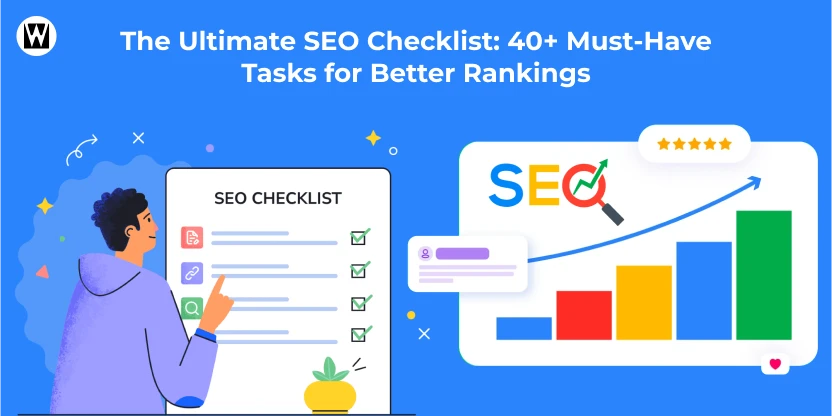
That’s why a structured SEO checklist is valuable. It helps you identify what deserves attention first, uncover missed opportunities, and focus your efforts on the factors that have the greatest impact on visibility, traffic, and business results.
This complete SEO checklist covers technical SEO, keyword research, on-page optimization, content quality, authority building, and AI search readiness. Use it to evaluate your current performance, prioritize improvements, and build a stronger foundation for long-term organic growth.
How to Use This SEO Checklist
A successful SEO strategy starts with knowing what to prioritize. This checklist is organized to help you focus on the activities that have the greatest impact on search visibility, organic traffic, and long-term growth. Instead of tackling every task at once, start with the areas that align with your current goals and the biggest gaps in your SEO performance.
Whether you’re launching a new website, improving existing rankings, recovering lost traffic, or strengthening topical authority, this checklist can help you identify what to fix first and how to measure progress.
| What’s Your SEO Goal | Recommended Areas to Prioritize |
| Launching a new website | SEO Basics, Keyword Research, and On-Page SEO |
| Improving rankings for existing pages | Keyword Research, On-Page SEO, and Content Optimization |
| Recovering lost organic traffic | Technical SEO, Search Intent Alignment, and Content Updates |
| Building authority in a competitive market | Off-Page SEO and Link Building |
| Increasing visibility in AI-powered search results | AI Search Optimization and Structured Content |
As you work through each section, follow a simple process:
- Identify what needs improvement.
- Understand why it matters.
- Verify that the change has been implemented correctly.
- Measure the impact using Google Search Console and Google Analytics.
SEO is not a one-time project. Search behavior changes, competitors update their content, and search engines continuously refine how they evaluate and surface information. Reviewing this checklist regularly can help you spot opportunities, address issues early, and maintain consistent organic growth over time.
SEO Basic Checklist
A strong SEO foundation makes it easier for search engines to discover, understand, and rank your content. Before investing time in content creation, link acquisition, or advanced optimization, make sure these core SEO requirements are in place. Many websites struggle to gain visibility, not because of poor content, but because basic SEO elements were overlooked during setup.
1. Set Up Google Search Console
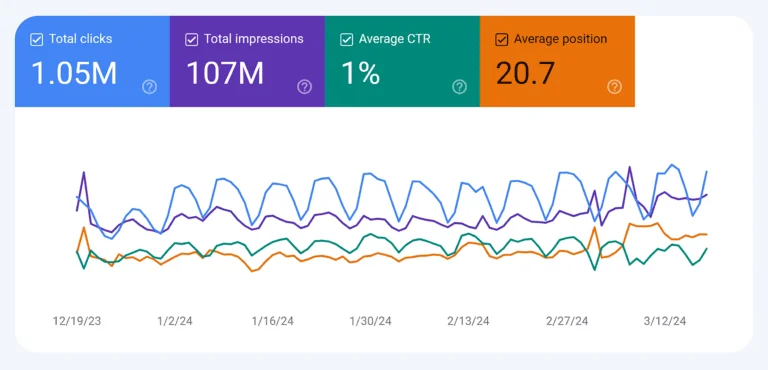
Google Search Console is one of the most valuable free SEO tools available. It shows how your website appears in Google Search, which pages are indexed, what keywords generate impressions, and where technical issues may be limiting visibility.
Beyond monitoring performance, Search Console helps you identify indexing errors, crawl issues, and pages that are losing traffic over time. Reviewing this data regularly allows you to make informed SEO decisions instead of relying on assumptions.
2. Install Google Analytics 4
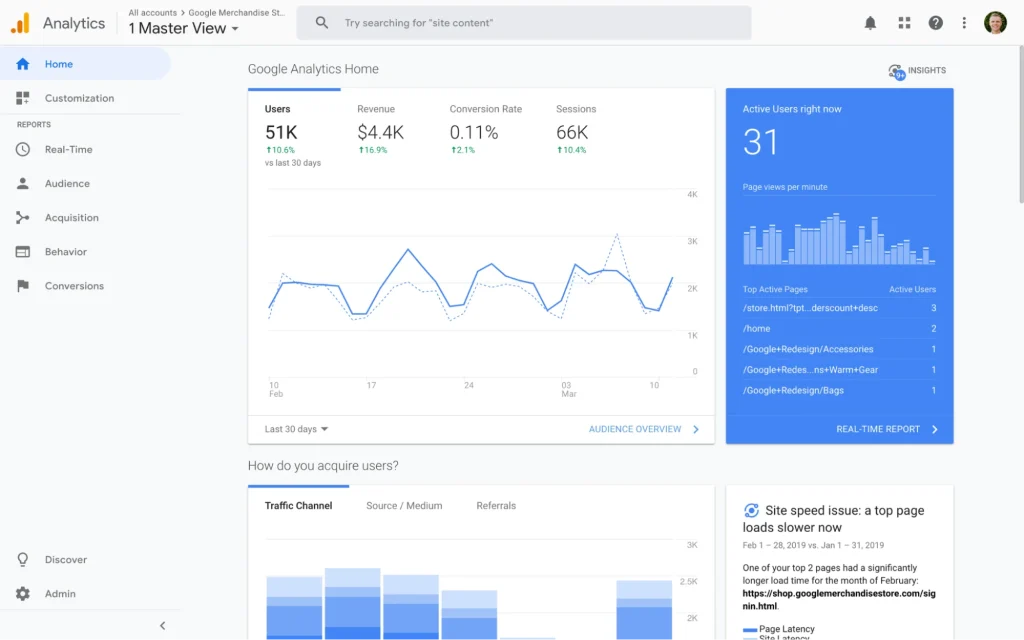
Google Analytics 4 helps you understand what happens after users land on your website. It provides insights into traffic sources, user engagement, conversions, and the content that drives the most value.
SEO success is not just about rankings. By connecting GA4 with your SEO efforts, you can identify which pages attract qualified visitors, where users drop off, and which content contributes to business goals such as leads, sales, or sign-ups. Start analyzing visitor behavior to uncover SEO trends, traffic sources, and areas for improvement.
3. Perform Competitor Research
Competitor research helps you understand what is already working in your industry. Analyze the website’s ranking for your target keywords to identify content formats, topic coverage, search intent alignment, and opportunities they may have missed.
Pay close attention to how competitors structure their content and answer user questions. This can help you create more useful, comprehensive pages that better satisfy search intent and stand out in both traditional search results and AI-generated answers.
4. Optimize Your Site’s URL Structure
A clear URL structure helps both users and search engines understand the purpose of a page. URLs should be short, descriptive, and aligned with the content topic whenever possible.
Well-organized URLs also make your website easier to navigate and maintain as it grows. Avoid unnecessary parameters, random numbers, or overly complex structures that provide little context about the page.
5. Review Your Robots.txt File
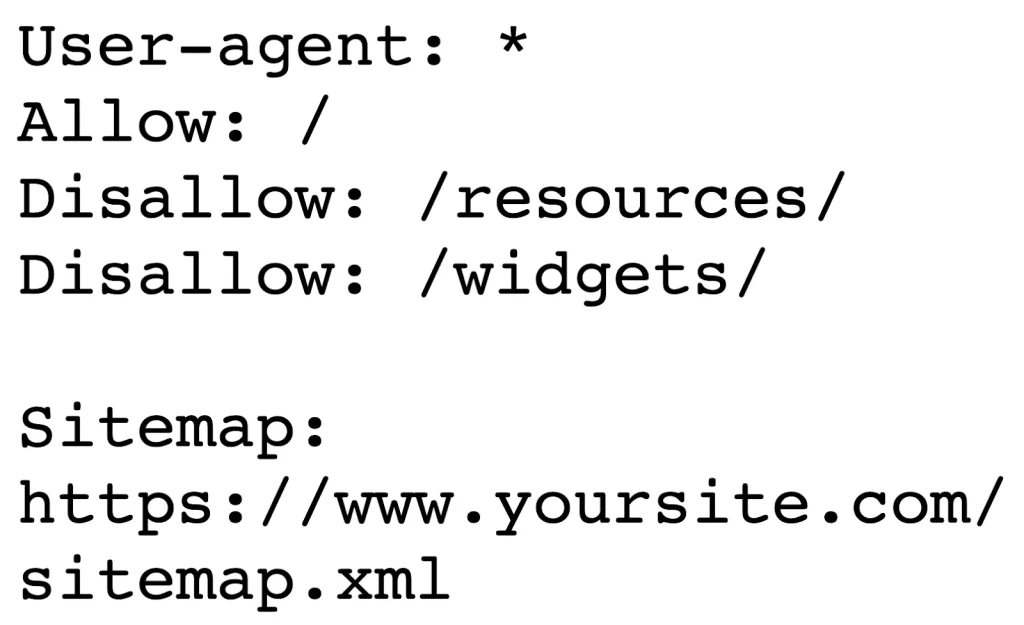
The robots.txt file tells search engines which areas of your website they can or cannot crawl. While it is a simple file, incorrect settings can accidentally block important pages from being discovered.
Review your robots.txt file whenever major website changes occur. Ensuring search engines can access valuable content while limiting unnecessary crawling helps improve crawl efficiency and supports better indexation.
6. Submit Your Sitemap to Google
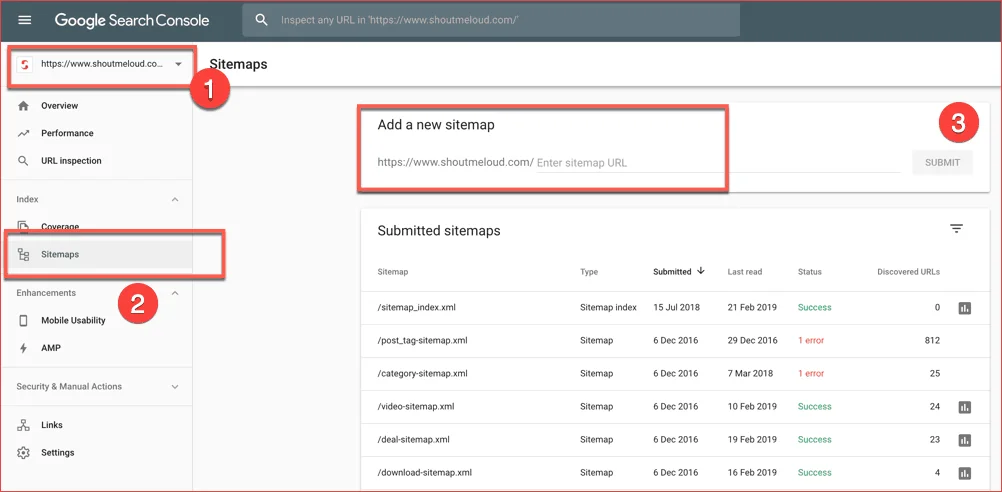
An XML sitemap acts as a roadmap for search engines by listing the important pages on your website. It helps Google discover new content, understand site structure, and prioritize crawling more effectively.
Submitting your sitemap through Google Search Console is only the first step. Regularly monitor sitemap reports to identify indexing issues, excluded pages, or errors that could affect search visibility.
7. Use SEO Tools to Track Growth and Spot Opportunities
SEO tools help you identify technical issues, track keyword performance, monitor competitors, and uncover content opportunities. Popular tools include:
- Ahrefs
- Semrush
- Google Search Console
- Screaming Frog
- Moz
- Google Analytics 4
Beyond rankings, pay attention to trends such as declining traffic, content decay, indexing issues, and new keyword opportunities. Regularly reviewing these insights helps you prioritize updates, improve visibility, and stay competitive in evolving search results.
8. Add Relevant Alt Text to Images
Alt text helps search engines understand the context of an image while also improving accessibility for users who rely on screen readers. Every important image should include a clear and accurate description.
Avoid stuffing keywords into alt text. Instead, focus on describing the image naturally and ensuring it supports the surrounding content. Well-optimized images can contribute to image search visibility and improve the overall user experience.
Keyword Research Checklist
Keyword research helps you identify the topics, questions, and search terms your audience uses throughout the buying journey. It provides the insights needed to create content that matches real search behaviour and attracts visitors who are actively looking for information, products, or services.
Effective keyword research is not just about finding high-volume terms. It involves understanding search intent, evaluating ranking opportunities, analysing competitor coverage, and prioritising keywords that can generate meaningful traffic and business results.
9. Build a List of Seed Keywords
Seed keywords are the core topics that define your business, products, services, and areas of expertise. Start by identifying the words, phrases, questions, and challenges your target audience commonly associates with your industry.
To uncover additional ideas, review customer conversations, sales inquiries, support tickets, industry forums, and Google’s autocomplete suggestions. These insights often reveal real search behaviour and help build a stronger foundation for keyword research and content planning.
10. Use Keyword Research Tools
Keyword research tools help uncover search demand, related queries, and content opportunities that may not be obvious during manual research. They can also reveal how people phrase questions and what topics competitors are targeting.
Use multiple sources whenever possible, including Google Search Console, Google Keyword Planner, Ahrefs, Semrush, and Google’s search suggestions. Combining different data sources often leads to more accurate keyword opportunities.
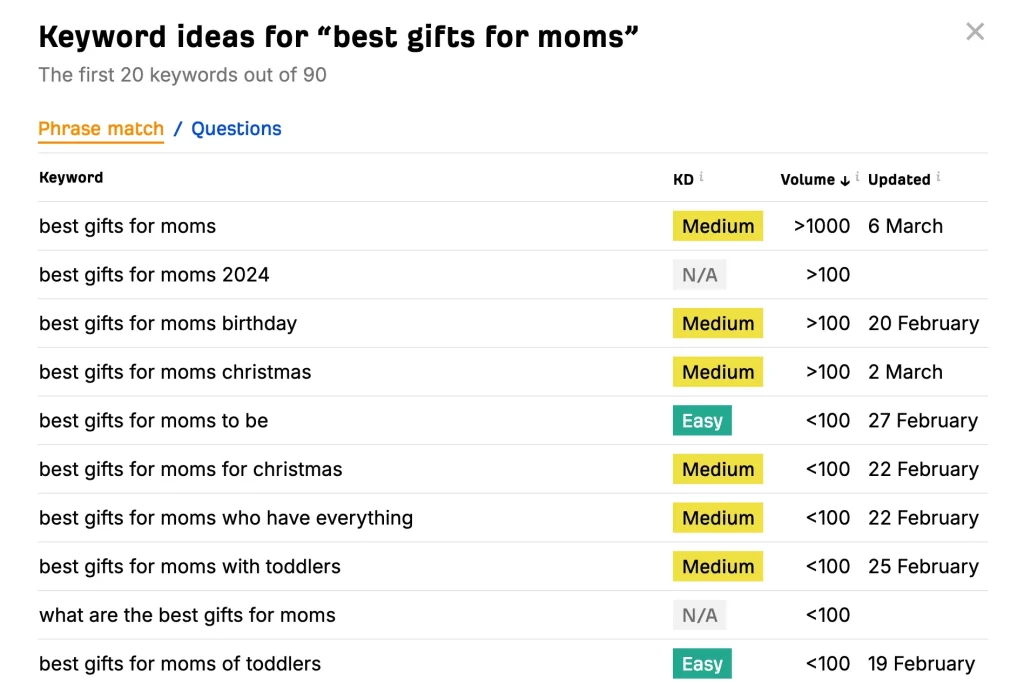
11. Check Search Volume and Ranking Difficulty
Not every keyword is worth targeting. Search volume provides insight into potential demand, while ranking difficulty helps estimate how challenging it may be to compete for visibility.
Look for opportunities that balance search demand with realistic ranking potential. In many cases, lower-competition keywords can deliver stronger results than highly competitive terms dominated by established websites.
12. Analyze Search Intent
Search intent helps explain why a user performs a search. Some users are looking for information, while others are comparing options, researching solutions, or preparing to make a purchase.
Before creating content, review the pages currently ranking for your target keyword. Understanding the intent behind a search helps ensure your content matches user expectations and improves its chances of ranking.
13. Analyze Competitor Keywords
Competitor keyword analysis can reveal valuable opportunities that may be missing from your current strategy. Reviewing the keywords driving traffic to competing websites often uncovers content gaps and new topic ideas.
Pay attention to the pages generating the most visibility and engagement. This can help identify areas where you can create more useful, comprehensive, or up-to-date content.
14. Prioritize Keywords Based on Business Value
High search volume does not always translate into meaningful business results. Some keywords attract large audiences but generate little engagement, while others drive qualified visitors who are more likely to convert.
Prioritize keywords that align with your products, services, expertise, and business objectives. This helps ensure your SEO efforts contribute to measurable growth rather than traffic alone.
15. Use Keyword Variations and Related Topics
Search engines have become much better at understanding context, meaning, and topic relationships. Instead of focusing on a single keyword, build content around related terms, supporting questions, and closely connected topics.
This approach helps improve topical authority and allows your content to rank for a wider range of relevant searches without relying on repetitive keyword usage.
16. Focus on Long-Tail Keywords and Conversational Queries
Long-tail keywords are more specific search queries that often reflect clear intent. While they may have lower search volume, they frequently attract users who are looking for detailed answers or specific solutions.
Targeting long-tail keywords can help you compete more effectively, especially in competitive industries where broad keywords are difficult to rank for.
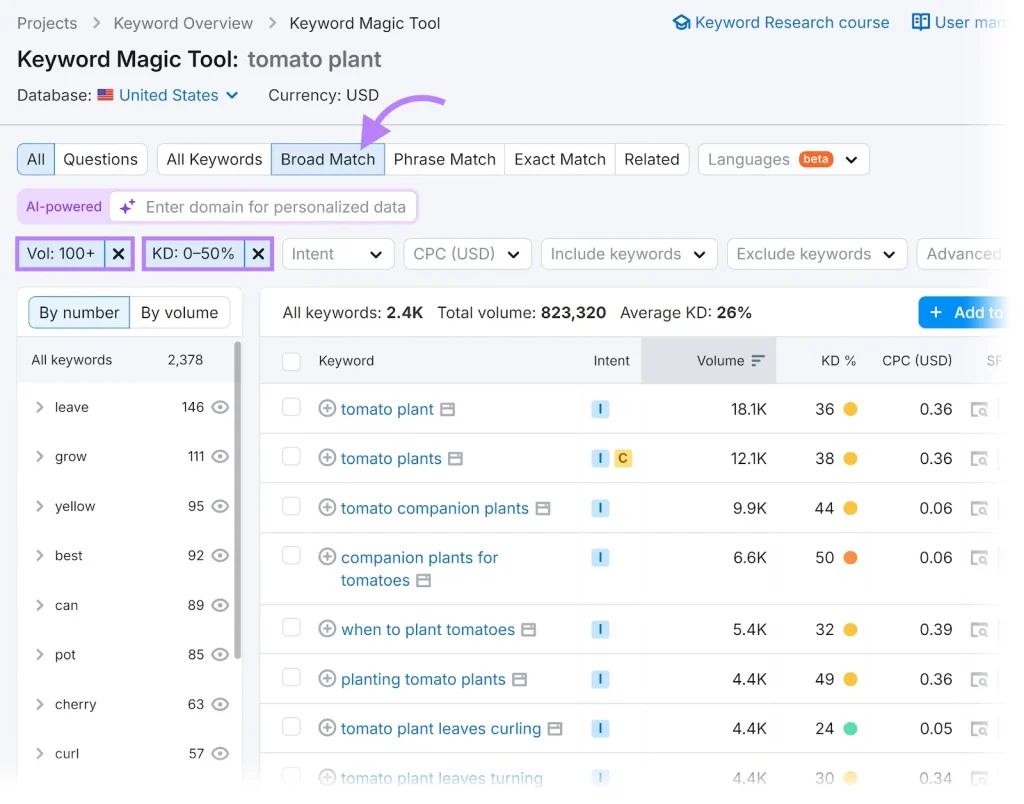
17. Monitor Keyword Performance, Cannibalization, and Search Trends
Keyword research does not end once content is published. Search behavior, competition, ranking opportunities, and Google’s understanding of topics continue to evolve, making ongoing monitoring an important part of SEO.
Track keyword rankings, impressions, clicks, and emerging search trends regularly. Also, review your website for keyword cannibalization, where multiple pages compete for the same search query, potentially weakening performance.
Incorporating semantically related terms and supporting topics can help strengthen topical relevance, improve content coverage, and increase visibility across a wider range of searches.
On-Page SEO & Content Optimization Checklist
On-page SEO and content optimization help search engines interpret your content while ensuring it satisfies the needs, expectations, and search intent of your target audience. Modern SEO is no longer limited to keyword placement. Search engines evaluate topical relevance, content depth, information quality, user experience, contextual relationships, and the overall value a page contributes compared to competing results.
The goal is to create content that is clear, helpful, and easy to navigate. Every page should answer user questions, provide value, and support their goals. Well-optimized content improves visibility, engagement, trust, and long-term organic growth.
18. Optimize Title Tags
Title tags are one of the most influential on-page SEO elements. They help search engines understand the primary topic of a page and often appear as the clickable headline in search results.
Write clear, descriptive titles that accurately represent the content while naturally incorporating the primary keyword. Focus on relevance, clarity, and user value rather than keyword placement alone. Effective title tags communicate what users can expect from the page, improve click-through rates, and reinforce topical relevance.
19. Write Engaging Meta Descriptions
Meta descriptions provide a concise summary of your page and can influence whether users choose your result over competing listings.
Although meta descriptions are not a direct ranking factor, they play an important role in attracting clicks. Highlight key benefits, address user needs, and clearly communicate the value of the content. Well-crafted descriptions help set expectations, improve search visibility, and encourage qualified traffic.
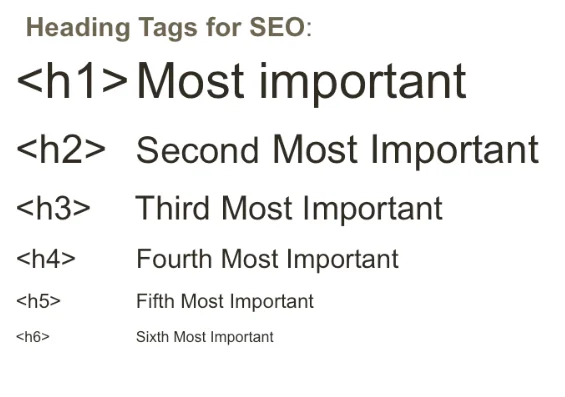
20. Use a Clear Heading Structure
A logical heading hierarchy improves readability and helps search engines understand how information is organized throughout the page.
Use a single H1 to define the primary topic and organize supporting sections with H2 and H3 headings. Clear headings create a logical content flow, improve accessibility, enhance scannability, and help search engines identify key themes, subtopics, and content relationships.
21. Create Clear and Descriptive URLs
URLs should be concise, descriptive, and aligned with the page topic. Clean URL structures improve usability and provide additional context for both users and search engines.
Avoid unnecessary words, excessive parameters, special characters, or overly complex structures. Descriptive URLs make content easier to understand, share, manage, and categorize while reinforcing topical relevance within your website architecture.
22. Align Content with Search Intent
Search intent represents the underlying goal behind a user’s query. Even comprehensive content may struggle to perform if it does not align with what users expect to find.
Before creating or updating content, analyze the search results for your target keyword. Determine whether users are seeking information, comparisons, tutorials, solutions, products, services, or transactional actions. Matching content format, depth, and messaging to search intent improves relevance, engagement, satisfaction, and visibility across both traditional search results and AI-powered search experiences.
23. Strengthen Internal Linking
Internal links help search engines discover pages, understand content relationships, and distribute authority throughout your website.
Link to related pages where they provide additional context or value for users. Strategic internal linking improves crawlability, reinforces topical clusters, strengthens subject relevance, and guides visitors toward supporting resources, products, services, or conversion-focused pages.
A clear website structure makes it easier for both users and search engines to discover important pages. Organizing related content logically and using descriptive internal links can improve navigation and help search engines better understand your website. According to Google’s SEO Starter Guide, users should be able to easily navigate from general content to the more specific content they want on your website.
24. Build Topical Authority Through Supporting Content
Search engines increasingly evaluate how thoroughly a website covers a subject area. Publishing a single article is rarely enough to establish authority in competitive search environments.
Develop supporting content that addresses related questions, complementary topics, industry terminology, common challenges, and deeper subject matter concepts. Connecting these resources through logical internal linking helps search engines understand topical relationships while strengthening expertise, authority, and overall content depth.
25. Optimize for Featured Snippets and AI Overviews
Search engines increasingly surface direct answers through featured snippets, AI Overviews, knowledge panels, and other enhanced search features.
Structure content using concise explanations, definitions, numbered processes, bullet lists, comparison tables, and question-and-answer formats where appropriate. Well-organized content improves information retrieval, increases opportunities for visibility, and makes it easier for search systems to identify authoritative answers.
26. Add Relevant Alt Text to Images
Alt text improves accessibility while helping search engines understand the purpose, meaning, and context of visual content.
Describe images accurately and naturally based on their role within the page. Focus on clarity and relevance rather than keyword repetition. Effective alt text enhances accessibility for assistive technologies while providing additional contextual signals about the surrounding content.
27. Improve Content Quality and Information Gain
High-quality content should contribute meaningful value beyond what is already available in search results. Simply repeating commonly available information rarely creates a competitive advantage.
Key ways to strengthen E-E-A-T include:
- Share first-hand experience, practical knowledge, and real-world observations.
- Include expert insights and subject matter expertise.
- Reference credible sources, original research, and industry data.
- Use case studies, examples, and measurable outcomes to support claims.
- Provide actionable recommendations that help users solve problems or make decisions.
- Ensure content remains accurate, transparent, and regularly maintained.
Review Google Trends, audience research, customer feedback, industry publications, and emerging search patterns to identify evolving interests and information gaps. Combining expert knowledge with timely insights helps create content that remains relevant, trustworthy, and useful.
Content that delivers unique perspectives, original analysis, practical experience, and strong E-E-A-T signals is more likely to earn user trust, engagement, backlinks, brand recognition, and long-term search visibility.
28. Ensure Content Is Easy to Read and Navigate
Even highly informative content can underperform if users struggle to consume or navigate it efficiently.
Use short paragraphs, descriptive headings, bullet points, tables, callout sections, and visual elements to improve readability. Clear formatting helps users locate information quickly, reduces friction, increases engagement, and creates a more effective content experience.
29. Incorporate Multimedia to Improve Engagement
Visual and interactive content can improve comprehension, increase engagement, and simplify complex concepts.
Use images, videos, diagrams, charts, infographics, screenshots, and other multimedia assets to support key points. Every visual element should contribute to understanding, reinforce important concepts, and enhance the overall learning experience.
30. Add Structured Data (Schema Markup)
Structured data helps search engines understand the meaning, context, and relationships within your content.
Depending on the page type, consider implementing schema such as Article/Blog, FAQ, Organization, Product, Review, HowTo, or Breadcrumb markup. Structured data can improve eligibility for rich results, enhance search visibility, and provide additional context that supports content interpretation.
31. Refresh and Update Existing Content Regularly
Content performance can decline over time as search intent evolves, competitors publish new resources, and industry information changes.
Regularly review important pages for outdated information, declining rankings, broken links, content gaps, and missed optimization opportunities. Updating existing content often delivers faster SEO improvements than creating new content while helping maintain relevance, accuracy, and long-term visibility.
32. Create Direct Answers for AI Search and Conversational Queries
AI-powered search experiences increasingly prioritize content that provides clear, trustworthy, and easily extractable answers.
Where appropriate, include concise definitions, summary sections, step-by-step instructions, comparison tables, FAQs, and direct responses to common questions. Structuring information in a clear and accessible format helps search engines and AI systems identify key insights while improving the overall user experience.
Off-Page SEO & Link Building Checklist
Off-page SEO refers to all the activities that help build your website’s authority, trust, and reputation beyond its own pages. While backlinks remain a core ranking factor, search engines increasingly evaluate broader signals such as brand mentions, industry recognition, reviews, and overall online reputation.
A strong off-page SEO strategy helps search engines verify your expertise and credibility within your niche. It also strengthens your brand’s visibility across search engines, AI-powered search experiences, industry publications, and other trusted online platforms.
33. Audit Your Backlink Profile
Your backlink profile influences how search engines evaluate your website’s authority. Regular audits help you understand which websites link to your content and whether those links support your SEO performance.
Review backlinks for relevance, authority, and quality. Identify valuable links, monitor lost backlinks, and investigate suspicious or low-quality links that could affect trust. A healthy backlink profile provides a stronger foundation for long-term organic growth.
34. Analyze Competitor Link Opportunities
Competitor backlink analysis can reveal valuable authority-building opportunities within your industry. By examining where competitors earn links, you can discover relevant publications, resource pages, industry directories, associations, and websites that actively reference content like yours.
Rather than copying competitor strategies, focus on understanding why those websites chose to link to them. This insight can help you create more useful resources, unique perspectives, or stronger content assets that naturally attract similar opportunities.
35. Earn High-Quality Backlinks
Not all backlinks carry the same value. A small number of relevant, authoritative backlinks often provide greater SEO benefits than a large volume of low-quality links.
Focus on earning links through content that genuinely deserves attention. Original research, industry studies, comprehensive guides, expert insights, case studies, and useful tools are all effective ways to attract editorial backlinks. Prioritizing quality over quantity helps build long-term authority and reduces the risks associated with manipulative link-building tactics.
36. Build Brand Mentions and Industry Authority
Modern SEO extends beyond backlinks. Search engines increasingly use brand signals to evaluate credibility, expertise, and trustworthiness. Mentions of your brand across reputable websites, industry publications, podcasts, communities, and social platforms can strengthen your overall authority.
Look for opportunities to contribute expert commentary, participate in industry discussions, publish original insights, and collaborate with respected organizations. Consistent visibility across trusted sources helps reinforce your reputation and supports stronger search performance over time.
37. Manage Reviews and Online Reputation
Your online reputation affects both user trust and search visibility. Monitor reviews across relevant platforms, respond professionally to feedback, and address customer concerns promptly.
Positive reviews and strong customer experiences help build credibility, strengthen trust signals, and support long-term brand authority.
AI Search Visibility Checklist
AI-powered search is changing how users find information online. Search engines now generate answers directly in search results, making visibility depend on more than just rankings and keywords.
While traditional SEO remains essential, you also need content that is clear, trustworthy, well-structured, and easy for AI systems to understand. Use the following checklist to improve visibility in AI Overviews, conversational search, and other AI-powered discovery platforms.
38. Improve Visibility in AI Overviews
Google AI Overviews often summarize information from multiple sources to provide users with quick answers directly in search results. Appearing in these summaries requires more than ranking well for a keyword.
Create clear, direct answers that match user intent. Use concise definitions, structured headings, bullet points, and examples to help search engines understand and surface your content in AI-generated answers.
39. Prepare Content for AI Mode and Conversational Search
Search behavior is becoming increasingly conversational. Users are now asking detailed questions and following up with additional queries rather than relying solely on short keyword searches.
Write content using natural language and anticipate the questions users may ask before, during, and after their search journey. Cover common follow-up questions, provide contextual explanations, and structure content in a way that supports multi-step information discovery.
40. Cover Fan-Out Queries and Related Questions
AI search systems often expand a single query into multiple related questions before generating an answer. This process, commonly referred to as query expansion or fan-out querying, helps search engines gather broader context around a topic.
Instead of focusing on one keyword alone, create content that addresses related questions, supporting subtopics, and closely connected concepts. Comprehensive topic coverage helps search engines better understand your expertise while increasing the likelihood of being referenced across multiple search experiences.
41. Apply Answer Engine Optimization (AEO)
Answer engine optimization focuses on helping search engines and AI systems identify clear, direct answers within your content.
Include concise explanations near the beginning of important sections, answer common questions directly, and use formats such as lists, step-by-step instructions, comparison tables, and FAQs where appropriate. Content that provides immediate value is often easier for answer engines to interpret and surface.
42. Improve Visibility Across AI Platforms (GEO)
Generative Engine Optimization (GEO) extends SEO beyond traditional search engines. Platforms such as ChatGPT, Gemini, Perplexity, and other AI assistants increasingly influence how users discover information, brands, and solutions.
To improve visibility across these platforms, publish authoritative content, strengthen topical authority, maintain accurate brand information, and create content that demonstrates expertise. Consistent, trustworthy information increases the likelihood that your content will be referenced across multiple AI-powered systems.
43. Understand How AI Agents Evaluate Content
AI systems evaluate content using signals such as relevance, expertise, authority, trustworthiness, and overall user value. They assess not only the information on a page but also whether the source appears credible and reliable enough to be cited in AI-generated responses.
To strengthen these signals, publish accurate content, showcase subject matter expertise, cite reputable sources, earn mentions from authoritative websites, and maintain a consistent brand presence. Keeping content updated can further improve trust and visibility as AI-powered search continues to evolve.
Key Takeaways
- SEO success comes from consistently improving technical SEO, content quality, user experience, and website authority rather than relying on a single ranking factor.
- Prioritize tasks based on your website’s goals, fixing technical issues first before focusing on content optimization and link building.
- Create content that aligns with search intent, demonstrates expertise, and provides clear, valuable answers for both users and AI-powered search.
- Regularly monitor your website’s performance, update outdated content, and address new optimization opportunities to maintain long-term visibility.
- Treat this checklist as an ongoing framework to identify gaps, measure progress, and continuously improve your organic search performance.
Conclusion
SEO is not a one-time task. Search behavior, AI-powered search, and ranking systems continue to change, making regular optimization essential.
The most successful websites focus on strong technical foundations, high-quality content, search intent, and authority. Rather than chasing every trend, they prioritize improvements that drive measurable results.
Use this SEO checklist as an ongoing framework to identify opportunities, fix gaps, and improve visibility. Whether you’re launching a new site, recovering traffic, or scaling organic growth, consistent execution is what delivers long-term success.
Want to implement these advanced techniques? Consider professional SEO services to take your strategy to the next level.
FAQs on SEO Checklist for 2026
What are the most important SEO recommendations for improving rankings?
Focus on technical SEO, search intent alignment, content quality, internal linking, and authority building. These areas typically have the greatest impact on search visibility and long-term organic growth.
What SEO requirements should every website have?
Every website should have proper indexing, an XML sitemap, Google Search Console setup, clear site architecture, optimized content, internal links, and a mobile-friendly experience.
What should be included in an SEO checklist for a new website?
A new website should have analytics and tracking configured, technical SEO reviewed, keyword research completed, core pages optimized, and a sitemap submitted before content promotion begins.
How do I prioritize SEO tasks when resources are limited?
Start with indexing and technical issues first, then improve high-value pages, strengthen internal linking, update underperforming content, and focus on activities that directly support business goals.
How can I improve visibility in AI Overviews and AI search results?
Create content that answers questions clearly, covers related topics comprehensively, demonstrates expertise, and uses structured formats such as headings, lists, tables, and FAQs that AI systems can easily interpret.
I'm Ravi Makhija, Founder & CEO of WebyKing. I believe your website should be the hardest-working member of your team, building trust, generating leads, and creating opportunities 24/7. Through web design, development, SEO, and digital strategy, I help businesses build websites that become growth assets-not just digital brochures. Too many businesses invest in websites that look great but fail to deliver real business value.
Business owners deserve digital solutions that are simple, practical, and built around their goals, not unnecessary complexity. After all, your website shouldn't just represent your business; it should help grow it.

Need Help Checking Off Every Item on Your SEO Checklist?