
Last Updated: July 29, 2026
Reading Time: 10 minutes
Post Views: 761
Table of Contents
- What are the Common Challenges Travel Businesses Face?
- Quick Overview: Top Features Every Travel Website Should Include
- Top Features Every Travel Website Should Include
- Customer Experience Features That Increase Travel Bookings
- How to Choose the Right Travel Website Features?
- Key Takeaways
- Conclusion
- FAQs About Travel Website Features
The travel industry has become increasingly digital, competitive, and customer-driven. Travellers now expect instant search results, real-time availability, personalised recommendations, seamless online payments, and mobile-friendly booking experiences. If a travel website cannot meet these expectations, potential customers often move on to competitors within seconds.
For travel agencies, tour operators, destination management companies, travel startups, and corporate travel providers, a website is no longer just an online brochure. It has become a critical business platform that influences customer acquisition, booking conversions, operational efficiency, and long-term growth.
The challenge is that many travel businesses invest in visually appealing websites that lack the functionality required to support modern travel operations. Common issues include manual booking processes, disconnected systems, outdated inventory information, poor mobile performance, and limited automation. These gaps can result in lost bookings, slower response times, and increased operational costs.
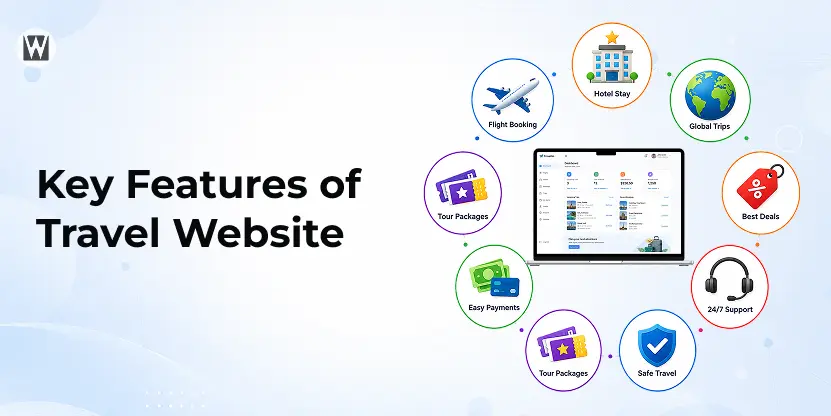
A modern travel website should do far more than display destinations and packages. It should help businesses:
- Generate more direct bookings
- Deliver a seamless customer experience
- Automate repetitive operational tasks
- Integrate with travel suppliers and booking systems
- Support international travellers with multi-language and multi-currency capabilities
- Scale efficiently as the business grows
Whether you are building a new travel platform or upgrading an existing one, understanding which features genuinely impact business performance is essential. Some features directly influence conversion rates, while others improve operational efficiency, customer retention, or scalability.
In this guide, we explore the advanced Key Travel website features that modern travel businesses should prioritise, from booking engines and API integrations to AI-powered personalisation, customer relationship management, and advanced automation capabilities. By the end, you will have a clear framework for evaluating which features can create the greatest value for your business and your customers.
What are the Common Challenges Travel Businesses Face?
Many travel businesses lose bookings not because of low demand, but because their websites cannot support modern traveller expectations. Common issues include:
- Travellers are choosing OTAs due to a lack of real-time booking, instant availability, or a seamless checkout experience.
- Slow inquiry handling caused by manual lead management and disconnected systems.
- Inventory errors such as double bookings, outdated availability, and pricing inconsistencies across suppliers.
- Poor mobile experiences that create friction during travel research and booking.
- Time-consuming manual tasks, including itinerary creation, booking confirmations, and customer follow-ups.
Ready to Elevate Your Travel Business with a Stunning Website?
Let’s collaborate to turn your vision into a reality. Contact us today to schedule a consultation and take the first step toward digital success for your travel business with our expert travel website design services.
Quick Overview: Top Features Every Travel Website Should Include
The most successful travel websites typically combine the following features:
Customer Experience Features
- Real-time booking engine
- Smart search and advanced filters
- Dynamic pricing
- Custom itinerary builder
- Mobile-first design
- AI-powered recommendations
- Customer reviews and ratings
Revenue & Conversion Features
- Multi-currency payments
- Secure payment gateway
- Promotional offers and upselling tools
- WhatsApp and live chat support
Operational & Growth Features
- CRM integration
- Supplier API connectivity
- GDS integrations
- Inventory synchronization
- Reporting dashboard
- Automated email workflows
Top Features Every Travel Website Should Include
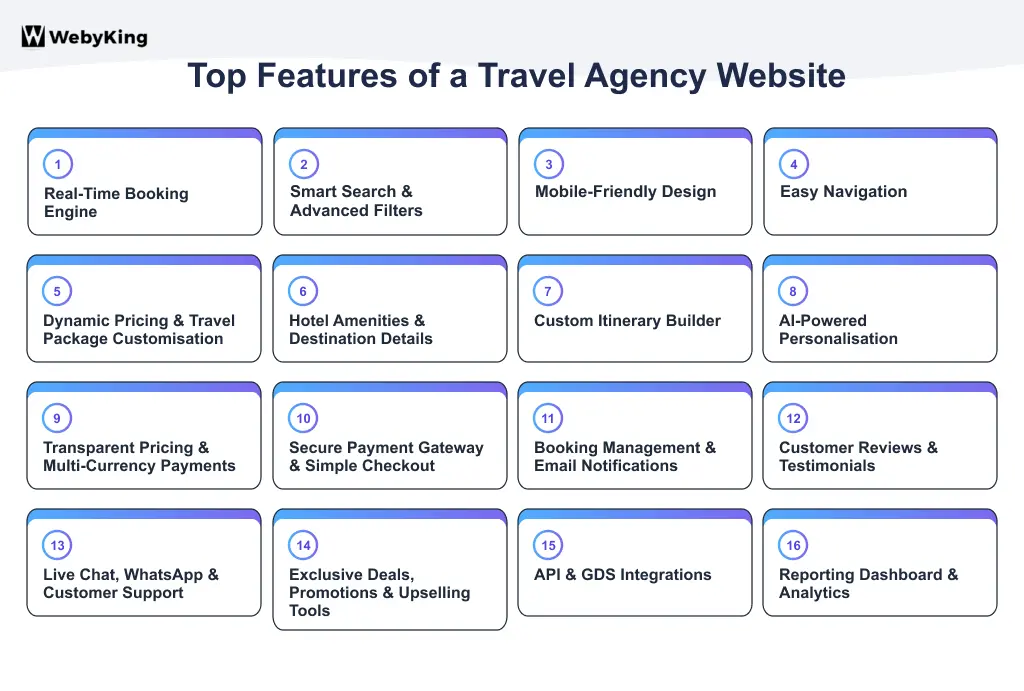
The most successful travel websites do more than showcase destinations and travel packages. They simplify booking, automate operations, improve customer experience, and connect seamlessly with travel technology systems.
Whether you operate a travel agency, tour company, destination management business, or enterprise travel platform, the following features form the foundation of a modern travel website.
1. Real-Time Booking Engine
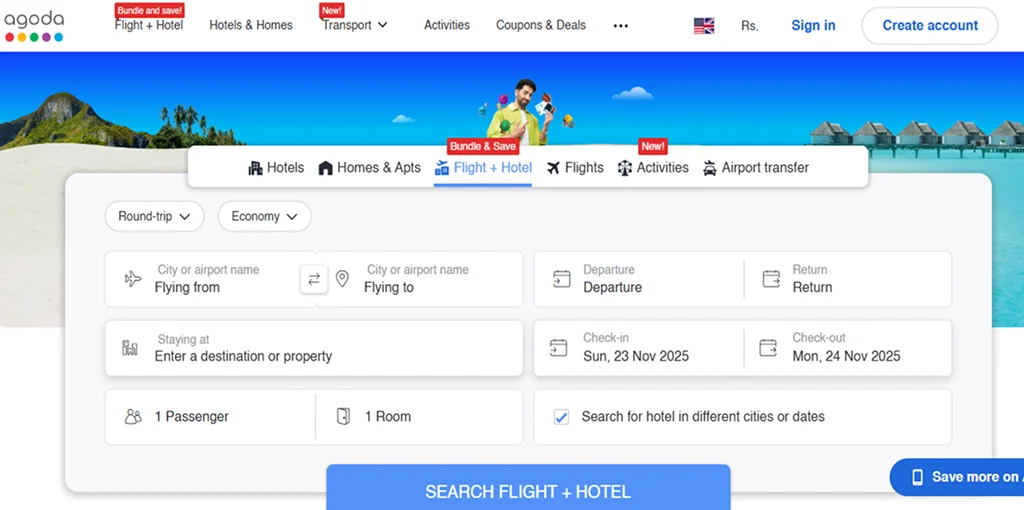
A real-time booking engine allows travellers to search availability, select services, and confirm reservations instantly without manual intervention.
Key benefits include:
- Instant booking confirmations
- Reduced booking abandonment
- Improved customer convenience
- Higher direct booking rates
- 24/7 reservation capability
For businesses managing hotels, tours, transportation, or activities, real-time inventory synchronisation is essential to prevent overbooking and pricing discrepancies.
2. Smart Search & Advanced Filters
Travellers often compare dozens of options before making a decision. Smart search functionality helps users quickly find the most relevant travel products.
Important filtering options include:
- Destination
- Budget
- Travel dates
- Trip duration
- Activity type
- Hotel category
- Departure city
Effective search experiences reduce friction and help users reach the booking stage faster.
3. Mobile-Friendly Design
A large portion of travel research and booking activity now occurs on mobile devices.
A mobile-friendly travel website should provide:
- Responsive layouts
- Fast page loading
- Mobile-optimised booking forms
- Easy navigation
- Click-to-call functionality
For travel businesses experiencing cross-device drop-off, a structured approach to responsive web design addresses layout, touch interaction, and mobile checkout flow simultaneously.
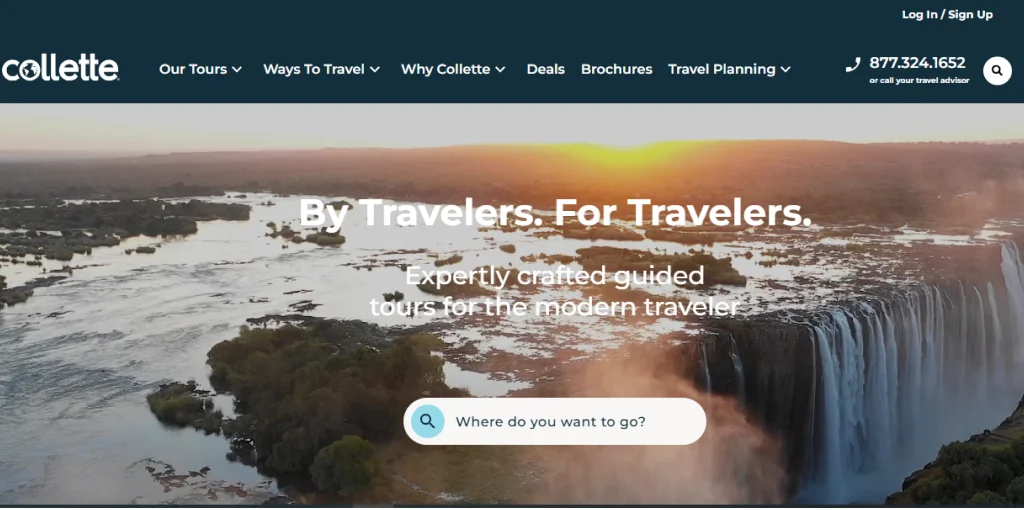
4. Easy Navigation
Are you feeling overwhelmed by all these features? Just like you, your website visitors might also get confused. That’s why clear navigation is essential in travel web design.
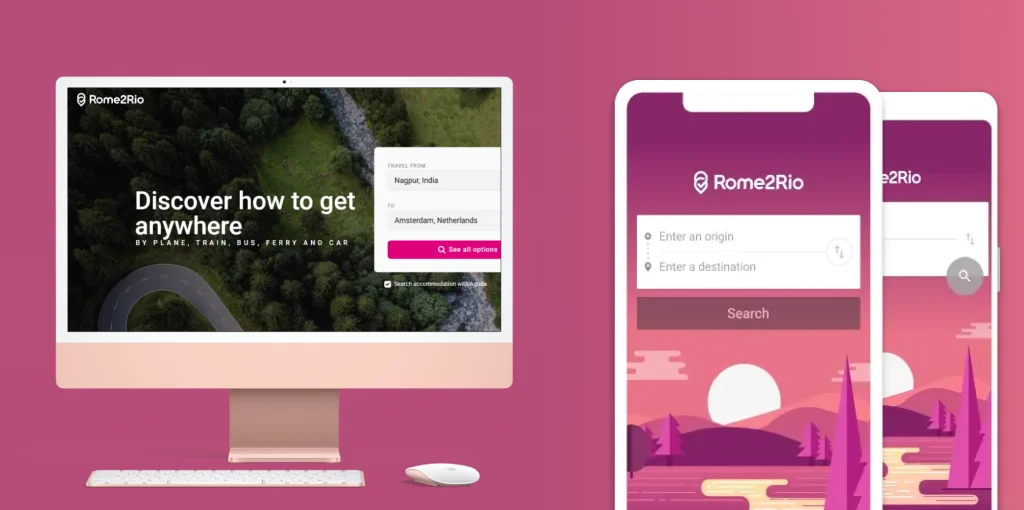
Easy navigation helps travellers quickly find relevant information and move smoothly through the booking process. Whether they are searching for destinations, comparing packages, or reviewing accommodation options, users should be able to access what they need without unnecessary clicks or confusion.
Important navigation elements include:
- Clear menus
- Logical site structure
- Intuitive search functionality
- Breadcrumb navigation
- Prominent calls to action
Effective navigation reduces user frustration, improves engagement, and helps travellers reach booking pages more efficiently.
5. Dynamic Pricing & Travel Package Customisation
Travel pricing frequently changes based on demand, availability, seasonality, and supplier rates.
Dynamic pricing capabilities allow businesses to:
- Adjust prices automatically
- Create flexible travel packages
- Offer upsell opportunities
- Launch promotional campaigns
- Maximise revenue during peak periods
Package customisation also enables travellers to build experiences that match their preferences and budgets.
6. Hotel Amenities & Destination Details
Travellers rely on detailed information when comparing accommodation options and planning their trips. Providing comprehensive hotel amenities and destination details helps users make informed decisions and increases confidence during the booking process.
Important information should include:
- Room types and accommodation options
- Hotel amenities and facilities
- Nearby attractions and points of interest
- Transportation and accessibility information
- Local activities and experiences
- Maps, photos, and destination highlights
Detailed hotel and destination information improves the user experience, supports travel planning, and encourages travellers to complete their bookings with greater confidence.
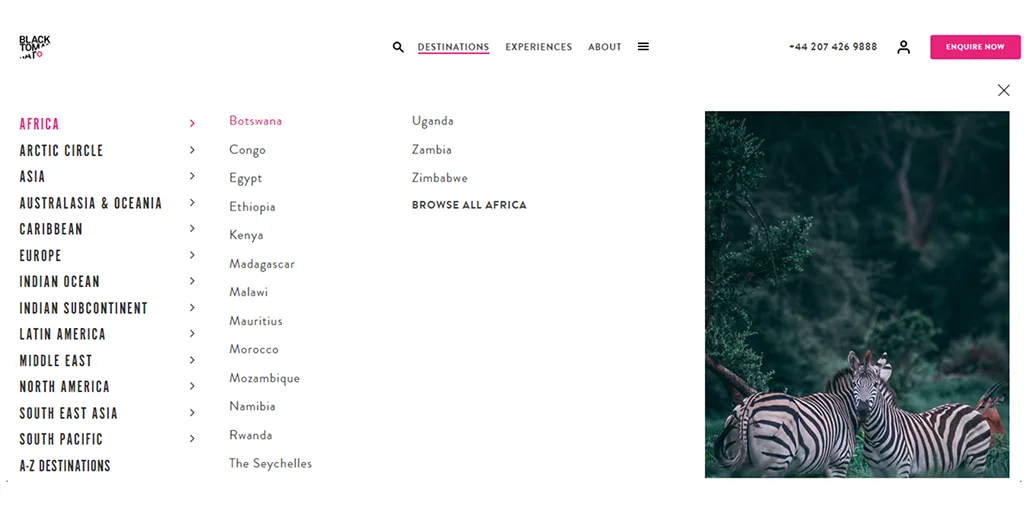
7. Custom Itinerary Builder
Many travellers expect personalised travel experiences rather than fixed packages.
An itinerary builder allows users to:
- Select destinations
- Add activities
- Choose accommodations
- Customize transportation
- View trip schedules in one place
This feature is particularly valuable for tour operators and destination management companies offering tailor-made travel experiences.
8. AI-Powered Personalisation
Modern travellers expect relevant recommendations based on their interests and behaviour.
AI-driven personalisation can support:
- Destination recommendations
- Travel package suggestions
- Personalized offers
- Cross-selling opportunities
- Behavioral targeting
This creates a more relevant booking experience while increasing conversion opportunities.
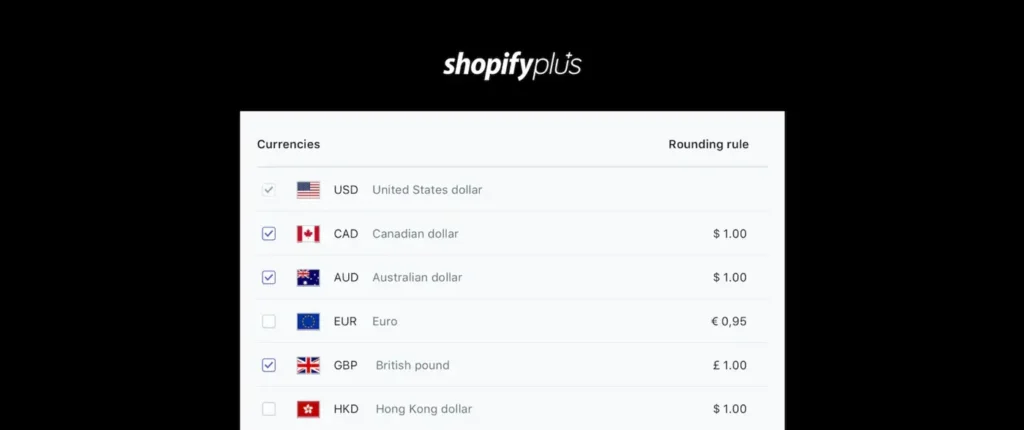
9. Multi-Currency Payments
Travel businesses often serve customers from different countries and regions. Multi-currency payment functionality allows travellers to view prices and complete transactions in their preferred currency, creating a more convenient booking experience.
Key multi-currency features include:
- Support for multiple currencies
- Automatic currency conversion
- Localised pricing display
- Currency selection options
- Real-time exchange rate updates
- International payment compatibility
Displaying prices in a traveller’s preferred currency helps reduce confusion during checkout and improves customer confidence. For businesses targeting international markets, multi-currency payments can improve conversion rates and make the booking process more accessible to global travellers.
10. Secure Payment Gateway & Simple Checkout
Travellers expect the payment process to be fast, secure, and straightforward. A complicated checkout experience can cause users to abandon their booking, even after they have selected their preferred travel products.
Important payment and checkout features include:
- Multiple payment methods
- Secure payment processing
- PCI-compliant transactions
- Fraud prevention measures
- Simple and user-friendly checkout flow
- Instant payment confirmations
A secure payment gateway helps protect customer information, while a streamlined checkout process reduces friction and encourages travellers to complete their bookings with confidence.
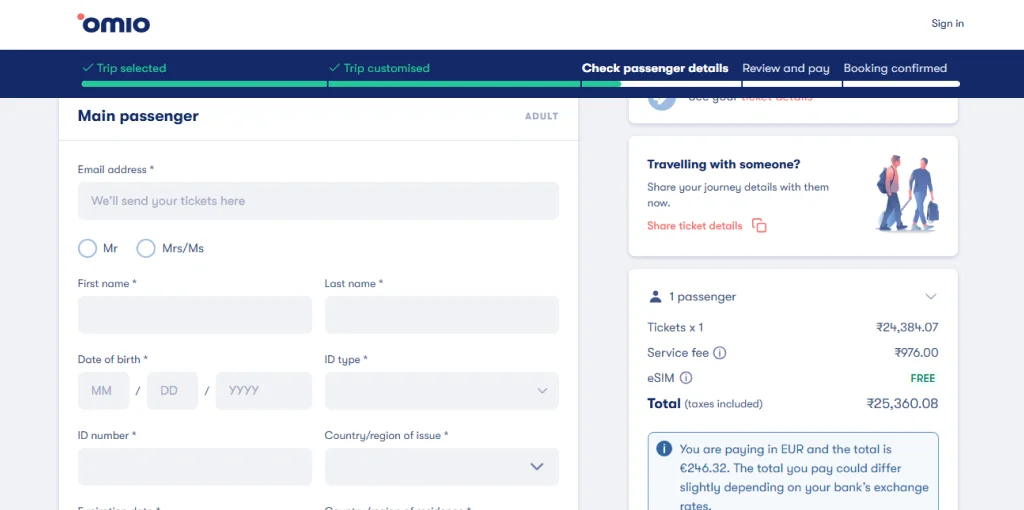
11. Booking Management & Email Notifications
Travellers expect quick access to their booking information after completing a reservation. A booking management system helps customers view trip details, track reservations, and access important travel information whenever needed.
Important booking management features include:
- Instant booking confirmations
- Automated email notifications
- Downloadable booking summaries and invoices
- Booking status updates
- WhatsApp booking notifications
- Easy access to reservation details
Providing timely booking updates helps reduce customer uncertainty and improves the overall travel experience. It also reduces support requests by giving travellers access to the information they need throughout their journey.
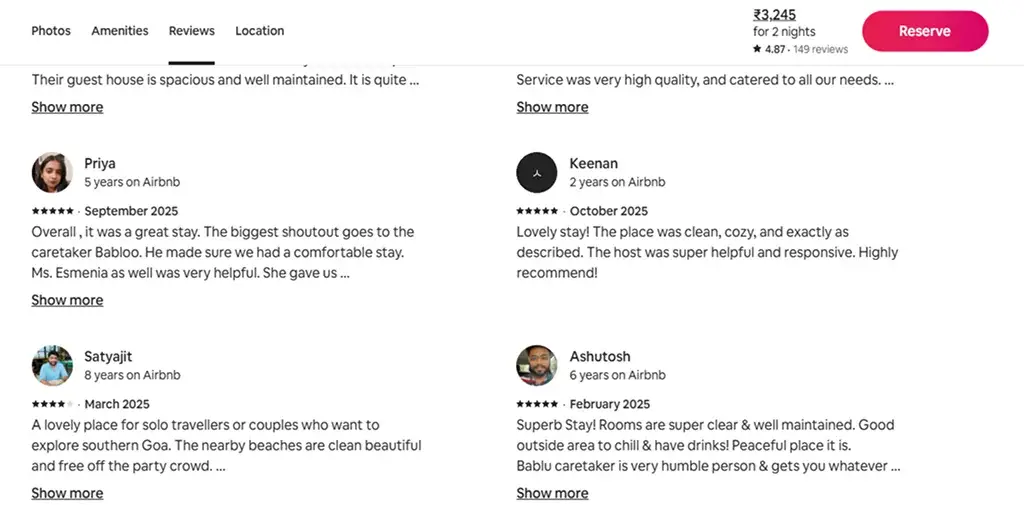
12. Customer Reviews & Testimonials
Travel purchases involve significant planning and financial commitment.
Customer reviews help:
- Build credibility
- Reduce purchase hesitation
- Improve conversion rates
- Strengthen brand reputation
Authentic reviews often influence booking decisions more than promotional content.
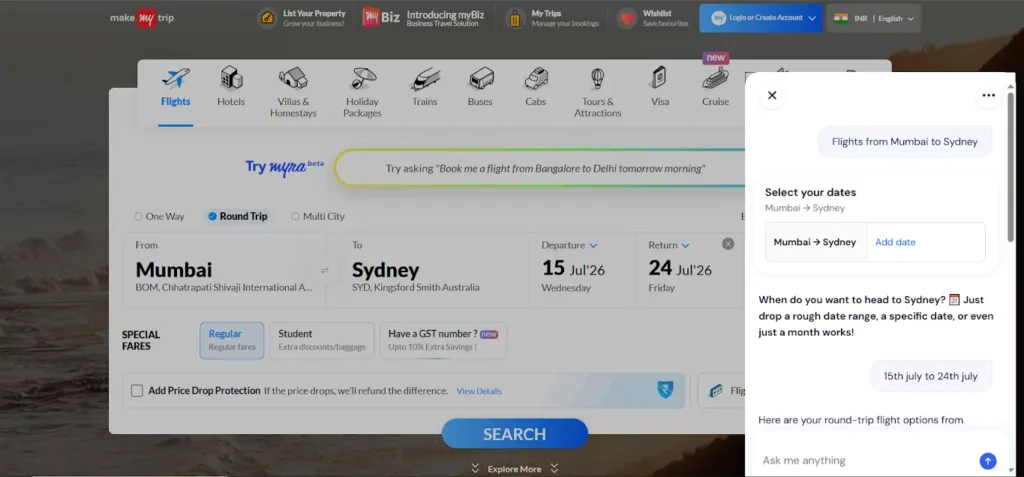
13. Live Chat, WhatsApp & Customer Support
Travellers frequently need assistance before completing a booking.
Real-time communication channels provide the following:
- Faster customer support
- Higher inquiry conversions
- Improved customer confidence
- Better booking assistance
WhatsApp integration is particularly valuable for travel businesses serving international travellers.
14. Exclusive Deals, Promotions & Upselling Tools
Exclusive deals and promotional offers can help travel businesses attract more customers and encourage bookings. Whether it is a seasonal discount, an early-bird offer, a package upgrade, or a limited-time promotion, these incentives can influence purchasing decisions and improve conversion rates.
Common promotional features include:
- Seasonal and limited-time discounts
- Early booking offers
- Last-minute travel deals
- Package upgrades and add-ons
- Loyalty rewards and special member offers
- Cross-selling and upselling opportunities
When planned strategically, promotions can increase booking value, improve customer retention, and create additional revenue opportunities without compromising long-term profitability.

15. API & GDS Integrations
Travel businesses often rely on external systems for inventory, pricing, and reservations.
Common integrations include:
- Supplier APIs
- Hotel APIs
- Flight APIs
- Activity booking systems
- GDS platforms such as Amadeus, Sabre, and Travelport
These integrations help maintain real-time availability and streamline booking management. Businesses implementing complex supplier connectivity, booking engines, and GDS integrations often benefit from expert travel website design services that can support long-term scalability and operational efficiency.
16. Reporting Dashboard & Analytics
Running a travel business involves tracking far more than just bookings. A reporting dashboard helps businesses monitor performance, identify trends, and make informed decisions based on real data rather than assumptions.
Key reporting capabilities include:
- Booking and revenue tracking
- Customer behaviour insights
- Conversion rate monitoring
- Marketing campaign performance
- Supplier and inventory reporting
- Custom reports and data visualisation
Access to accurate reporting helps businesses identify growth opportunities, improve operational efficiency, and optimise both marketing and sales performance over time.
Quick Summary: Essential Travel Website Features
| Category | Must-Have Features |
| Booking & Reservations | Real-time booking, itinerary builder |
| User Experience | Smart search, mobile-friendly design, and personalisation |
| Revenue Growth | Dynamic pricing, upselling, and multi-currency payments |
| Operations | CRM integration, inventory management, automation |
| Integrations | Supplier APIs, GDS connectivity, payment gateways |
| Trust & Conversion | Reviews, secure checkout, customer support |
| Analytics | Reporting dashboard, business intelligence |
Building a Travel Website Without the Right Features Can Cost You Bookings
Modern travellers expect real-time booking, seamless payments, and personalised experiences. Discover which features can help improve conversions and support long-term growth.
Customer Experience Features That Increase Travel Bookings
Travellers expect the same level of convenience from a travel website that they receive from major OTAs and global travel brands. If finding information, comparing options, or completing a booking feels difficult, many users will leave before converting.
Customer experience features help remove friction throughout the booking journey, making it easier for visitors to become customers while improving satisfaction and retention.
For many travel businesses, the first interaction with a customer happens on a smartphone.
Whether someone is researching destinations, comparing travel packages, or checking availability, the experience should remain seamless across all devices.
A high-performing mobile experience should include:
- Responsive design
- Fast-loading pages
- Mobile-friendly booking forms
- Click-to-call functionality
- Simplified navigation
- Mobile payment compatibility
From an SEO perspective, mobile usability and Core Web Vitals also influence search visibility and user engagement.
Practical Example: If a traveller searching for a last-minute holiday package encounters a slow-loading booking page, there is a high chance they will return to search results and explore competitor websites instead.
Quick Summary: Essential Travel Website Features
Travellers increasingly expect relevant recommendations rather than generic offers.
AI-powered personalisation helps websites present travel products based on
- Search behavior
- Preferred destinations
- Travel history
- Budget preferences
- Seasonal interests
Examples include:
- Suggested destinations based on browsing activity
- Recommended tours that complement selected packages
- Personalised hotel upgrades
- Dynamic travel package recommendations
Personalisation not only improves user experience but can also increase average booking value through intelligent upselling and cross-selling opportunities.
Elements That Build Trust Throughout the Booking Journey
Trust remains one of the strongest conversion factors in the travel industry.
Travel websites should prominently display:
- Verified customer reviews
- Ratings and testimonials
- Secure payment indicators
- Industry certifications
- Refund and cancellation policies
- Contact information
- Customer support channels
These trust signals help reassure visitors when making high-value travel purchases.
How to Choose the Right Travel Website Features?
The best travel website is not the one with the most features. It is the one that supports your business model, supplier ecosystem, and operational workflows.
When evaluating features, focus on three factors:
1. Start With Your Revenue Model
Different travel businesses require different functionality.
- Tour operators need departure management and itinerary configuration.
- DMCs require quotation workflows and supplier coordination.
- Corporate travel providers need policy controls and traveller profile management.
- Travel marketplaces need multi-supplier inventory aggregation.
Building unnecessary functionality increases development costs and system complexity.
2. Prioritise Integrations Before Design
Many travel platforms fail because integrations are treated as an afterthought.
Before selecting features, identify:
- Hotel suppliers
- Flight providers
- Activity partners
- Payment gateways
- CRM systems
- GDS requirements
The quality of these integrations will have a greater operational impact than visual design decisions.
3. Plan for Future Scale
A platform that works with five suppliers may struggle with fifty.
Evaluate whether the architecture can support:
- Additional supplier APIs
- Increased booking volume
- New geographic markets
- Multi-currency operations
- Multi-office workflows
Choosing scalable technology early helps avoid costly platform rebuilds later.
Key Takeaways
- A successful travel website combines great user experience, seamless booking, and business-focused features.
- Mobile responsiveness, fast loading speeds, and intuitive navigation are essential for meeting modern traveler expectations.
- Features like real-time booking, secure payments, and customer reviews help build trust and increase conversions.
- Advanced tools such as CRM integrations, AI recommendations, and analytics support long-term business growth.
- The right combination of features depends on your business model, target audience, and growth goals—focus on what delivers the most value to your users.
Conclusion
Modern travel websites must do far more than display destinations and travel packages. They need to manage inventory, connect with suppliers, process bookings, automate workflows, support international travellers, and provide operational visibility across the business.
From booking engines and GDS integrations to inventory synchronisation, payment security, and workflow automation, each feature plays a specific role within the travel technology ecosystem.
The right feature set depends on your business model, operational requirements, and growth objectives. By focusing on integrations, scalability, and automation rather than simply adding functionality, travel businesses can build platforms that support sustainable growth while reducing operational complexity.
FAQs About Travel Website Features
What are the most important features of a travel website?
The most critical features include a real-time booking engine, supplier API integrations, secure payment processing, CRM integration, inventory synchronisation, multi-currency support, and reporting capabilities.
What is the difference between a travel website and a travel booking portal?
A travel website primarily presents travel products and information, while a travel booking portal includes transactional capabilities such as live availability, reservations, payments, itinerary management, and supplier integrations.
Do travel websites need GDS integration?
Not always. GDS connectivity is typically required for businesses selling airline inventory, managing corporate travel programs, or accessing negotiated fares through systems such as Amadeus, Sabre, or Travelport.
What travel website features help reduce dependency on OTAs?
Direct booking engines, dynamic packaging, loyalty programs, marketing automation, multi-currency payments, and integrated customer relationship management systems help businesses increase direct bookings and reduce reliance on third-party platforms.
Can a travel website support multiple suppliers at the same time?
Yes. Modern travel platforms often aggregate inventory from multiple hotel suppliers, activity providers, transportation partners, and GDS systems through an orchestration layer that manages supplier responses and booking workflows.
How much does it cost to build a travel website with booking functionality?
Costs vary depending on the required features, supplier integrations, booking workflows, payment infrastructure, and level of customisation. Platforms with multi-supplier connectivity and advanced automation typically require a larger investment than basic brochure-style websites.
I'm Ravi Makhija, Founder & CEO of WebyKing. I believe your website should be the hardest-working member of your team, building trust, generating leads, and creating opportunities 24/7. Through web design, development, SEO, and digital strategy, I help businesses build websites that become growth assets-not just digital brochures. Too many businesses invest in websites that look great but fail to deliver real business value.
Business owners deserve digital solutions that are simple, practical, and built around their goals, not unnecessary complexity. After all, your website shouldn't just represent your business; it should help grow it.


Need Help Choosing the Right Features for Your Travel Website?